The Specimen Determines the Lens
Choose a Magnify2 lens by coverage, feature size, working distance, relief, measurement needs, and manageable capture volume.


Choose a Magnify2 lens by coverage, feature size, working distance, relief, measurement needs, and manageable capture volume.
Pixel count, sampling, resolvable detail, and calibrated scale are different things. Define the decision first, then set the resolution to match.
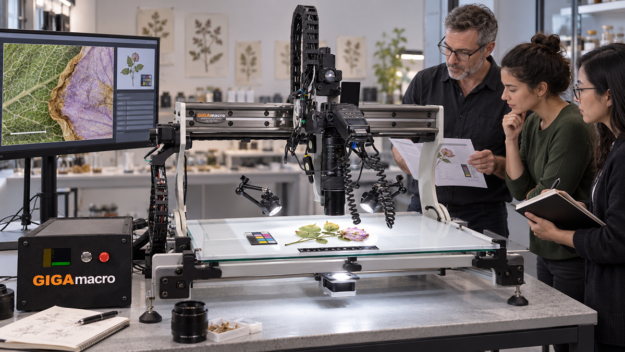
Plan subject handling, optics, lighting, test capture, scale, rights, and Viewer metadata before starting a long Magnify2 imaging run.

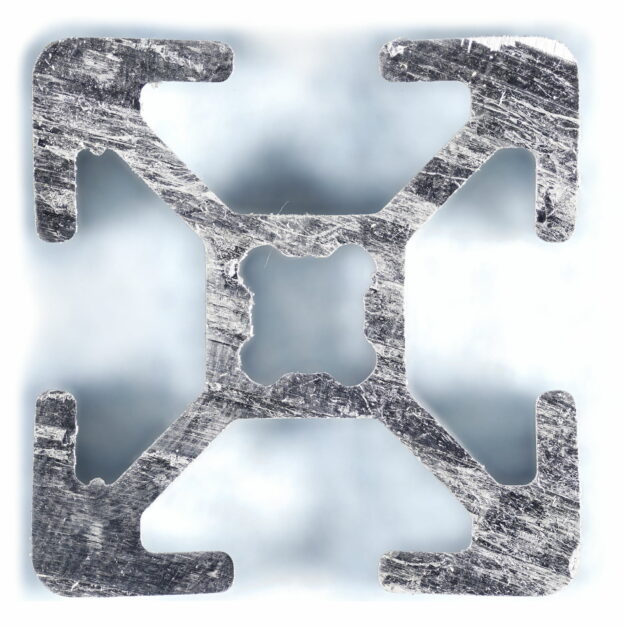
Surface Roughness & Color Control in Architectural Panels When an architect designs a building details matter. When the building is a landmark, clad in revolutionary materials rarely used before, details such as color and texture take on a a special significance. It seems obvious that color and texture need to be predictable and consistent, for…
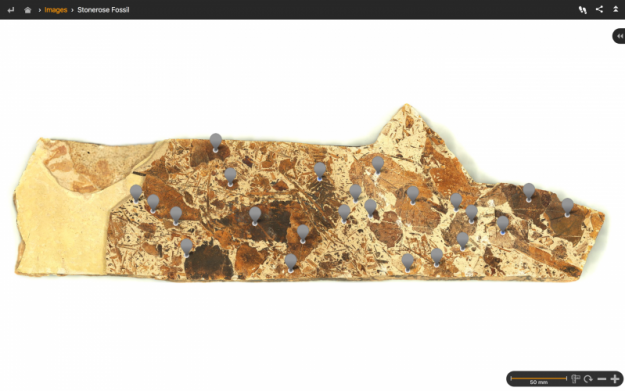
Here’s how to annotate your Gigapan images. Gigapan images have been popular for ten years or so, and the gigapan.org web site claims over 55,000 members. Many of GIGAmacro customers have legacy images on gigapan.org and wanted a way to additional functionality – such as annotations – to their legacy images. The GIGAmacro team spent a…
How to Make Gigapixel Macro Images The Overall Process The GIGAmacro images featured in the GIGAmacro Viewer are assembled from hundreds, or more often thousands, of individual photographs. To create a gigapixel image, we use a technique generally known as “Stack and Stitch”. Focus Stacking Focus stacking is a technique which combines multiple images…

The East Wall at Delphi Text Inscriptions and Translation Adrian High is a PhD student at Duke University whose research is fuelled by a fascination with ancient documentary evidence. He explored the multilingual epigraphic record from second and third century Histria on the Black Sea through the prism of sociolinguistic theory as part of his…