
Digitizing Insect Type Specimens: Lessons from CSIRO
A useful specimen image needs to answer a researcher’s questions. Can you see the diagnostic feature? Read the labels? Connect the image to the right collection record? A great photograph is only the start of the job.
Type specimens make those questions particularly important. A name-bearing type provides the definitive reference for applying a zoological name. An image can help a researcher examine that reference remotely, but it does not replace the specimen. The International Code of Zoological Nomenclature sets out that distinction.
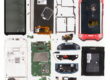
CSIRO’s Australian National Insect Collection (ANIC) offers a useful example of imaging as part of a larger collection workflow. Its primary-types resource links to high-resolution dorsal and lateral images and associated labels through CSIRO’s Data Access Portal.
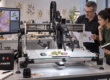
Nicole Fisher leads the project, working with researchers David Yuan and Mei Yang. The team images everything from wasps smaller than 1 mm to dragonflies and butterflies. With over 12 million specimen’s in the collection, they have quirte the task ahead. The team prioritized Tyep Specimens as the first priority and started their project there.
Inside the CSIRO imaging workflow
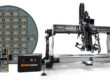
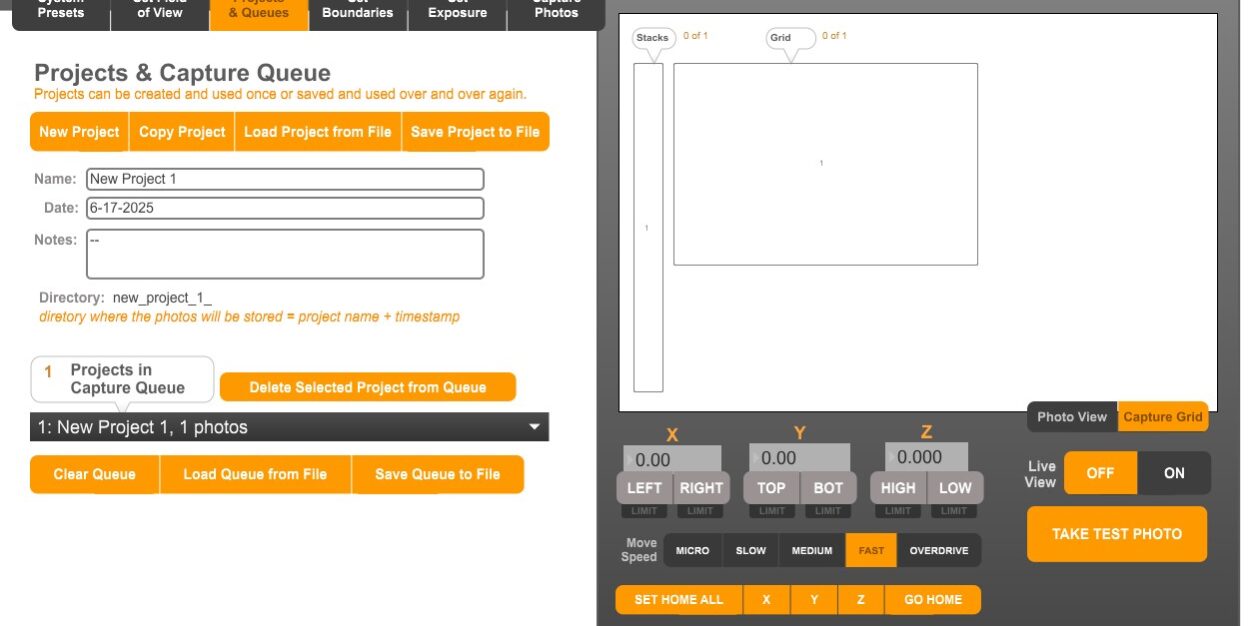
In our CSIRO case study, we show the two Magnify2 systems dedicated to the Type Project. Each uses dual off-camera flashes that move with the camera. The team captures dorsal, lateral and diagnostic views, with additional angles on request. The feature the researcher needs to see and the size of the insect determine how much to capture.
Define the record before setting up the camera
Start by agreeing with the researcher what they need. We recommend a capture brief that specifies the required views, diagnostic features, label images and specimen identifier. Determine which features must be visible before choosing the lens or deciding how many photographs are needed.
For your own projects, make the request explicit: which views are required for every specimen, and which are requested for a particular taxonomic question?
Match capture to the subject
Focus stacking improves depth of field by combining photos taken at different focus positions. Stitching combines overlapping photos of smaller areas into a higher-resolution image of the whole specimen. That lets you cover a larger specimen while keeping the detail you captured in each frame.
A head or wing view may call for a different orientation or framing. Work out how much of the specimen needs to be in focus, then check how many frames the lens will need to cover the area and how long that will take.
Check the record, not just the photograph
We suggest two acceptance checks. First, inspect the image for the required detail, focus and capture artifacts. Second, check the data for the images, labels and collection identifier.
Include both checks in a small pilot batch. That gives you a chance to find a missing view or an ambiguous filename before repeating the problem across a larger collection. It also lets you check whether the lighting works for the required views.
The time budget should include preparation, positioning, processing, review and publication. Capture time alone is an inadequate measure of the work required to deliver a complete record.
Plan access from the start
CSIRO publishes collection imagery through its Data Access Portal. For your collection, decide where the finished records will live and how a researcher will find and use them.
We recommend agreeing identifiers, credits, rights information and links to collection records before the first production batch. Decide who reviews the output and who approves its release. Adapt these recommendations to your collection.
The practical value of the CSIRO example is the connection between capture and access. The finished record needs to help someone examine a specimen, understand what they are looking at and recognize when they still need access to the original.
Gene is a creative innovator and developer with a passion for developing scientific tools, exhibits, and educational programs that provide new ways of exploring the world both literally and figuratively.
Photography is a common thread in his life and work, which has come a long way since childhood years experimenting with unique perspectives, angles, filters, and time-lapse exposures.
He founded GIGAmacro to build robotic devices capable of capturing gigapixel photographs with microscopic detail and developing new visualization tools for comparison of complex imagery for research, science, and education.