
Surface Roughness & Color Control in Architectural Panels
When an architect designs a building details matter. When the building is a landmark, clad in revolutionary materials rarely used before, details such as color and texture take on a a special significance. It seems obvious that color and texture need to be predictable and consistent, for the whole building and with the original concept and in reality.
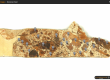
Kreysler & Associates produces architectural cladding panels from fiber-reinforced polymer (FRP), a lightweight composite material. The process begins with CNC-machining individual molds from polystyrene foam based on the architect’s 3D model, allowing every panel to have a unique shape. A proprietary fire-resistant coating is sprayed onto the mold, followed by hand layup of resin-impregnated glass fiber fabric. After curing, the panel’s exposed face is sandblasted to remove the outer resin layer and reveal embedded sand particles, producing a matte, stone-like texture. It is in this final finishing step — where the surface roughness of each panel is established — that some of the most critical quality challenges arise.
Color Control
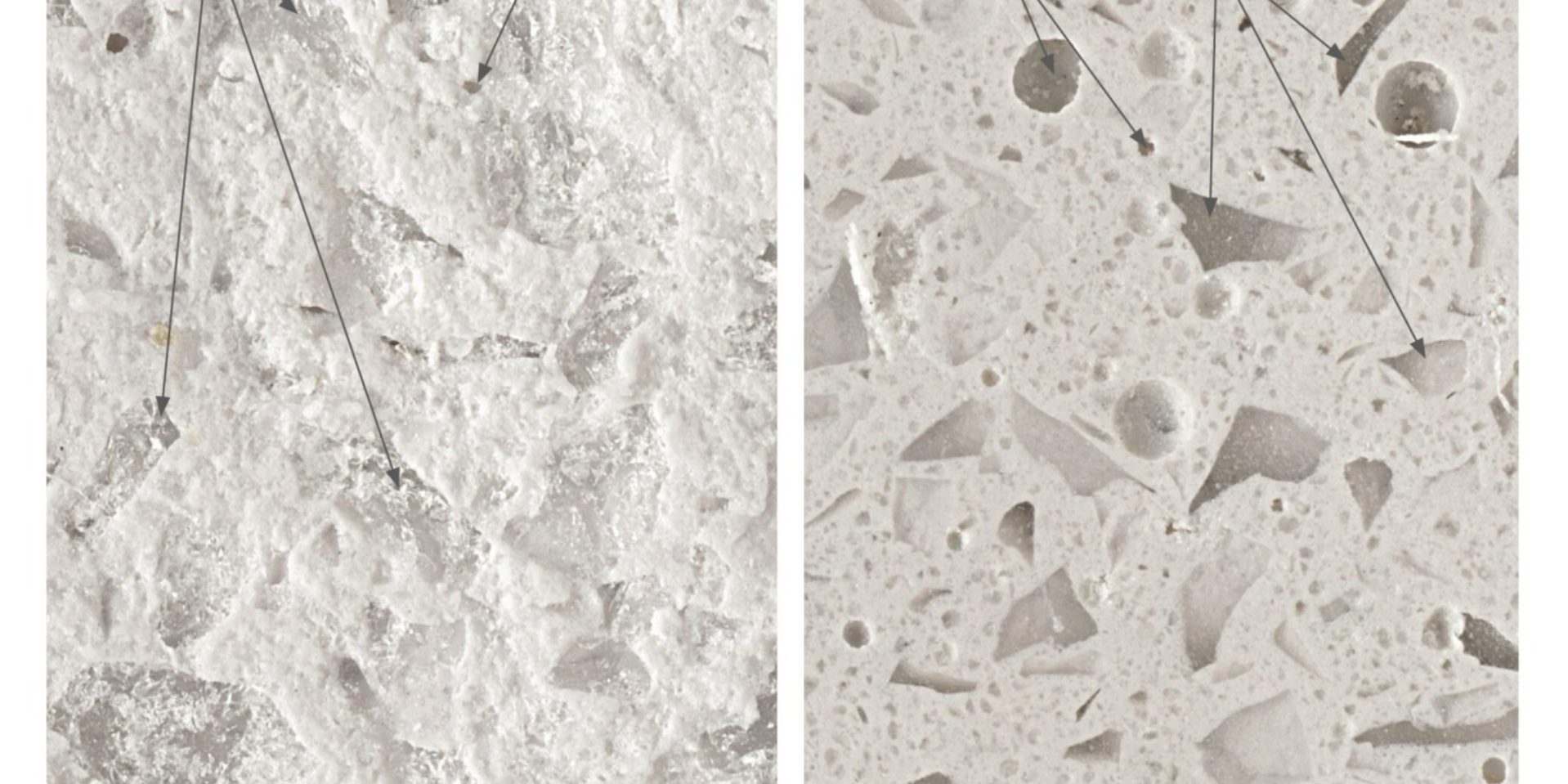
The way light interacts with a surface is highly sensitive to its microscale texture, and even small variations in roughness from panel to panel can produce visible differences in color and sheen. On a large façade where hundreds of unique panels sit side by side in natural light, inconsistencies that might seem trivial on a single sample become immediately apparent, making tight control of surface finish essential to achieving a uniform appearance across the completed building skin.

Surface Roughness
A surface roughness of 50 microinches (Ra) means the average peak-to-valley variation across a surface is roughly 1.27 micrometers. This amount of surface roughness can shift color by 30% of the total tolerance. At this scale, the finish and hence the color – is shaped not just by the machining process, but by the material’s underlying grain structure. The dominant features are the repeating marks left by the cutting tool. But individual material grains vary in hardness and orientation, so they respond differently to cutting forces — some shear cleanly, others tear or deform, creating subtle irregularities layered on top of the tool marks.
Fine-grained materials tend to produce a more uniform finish; coarse-grained materials are more prone to uneven spots where grains pull away from the surface. What’s less obvious is what happens beneath the surface. Machining creates a thin deformed zone — typically just a few micrometers deep — where grains have been elongated, fragmented, and work-hardened. Though shallow, this layer matters. It carries residual stresses that affect hardness changes that influence texture and color.
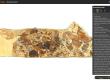
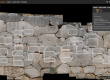
In this new use case with Kreysler & Associates, we show how Magnify2 imaging related profilometer (to measure roughness, or texture) and spectrophotometer (to measure reflection or transmission of light) readings to real microstructural behavior, transforming production control, Quality Control strategy, and long-term maintenance decisions.
Read the full case study.
Gene is a creative innovator and developer with a passion for developing scientific tools, exhibits, and educational programs that provide new ways of exploring the world both literally and figuratively.
Photography is a common thread in his life and work, which has come a long way since childhood years experimenting with unique perspectives, angles, filters, and time-lapse exposures.
He founded GIGAmacro to build robotic devices capable of capturing gigapixel photographs with microscopic detail and developing new visualization tools for comparison of complex imagery for research, science, and education.